
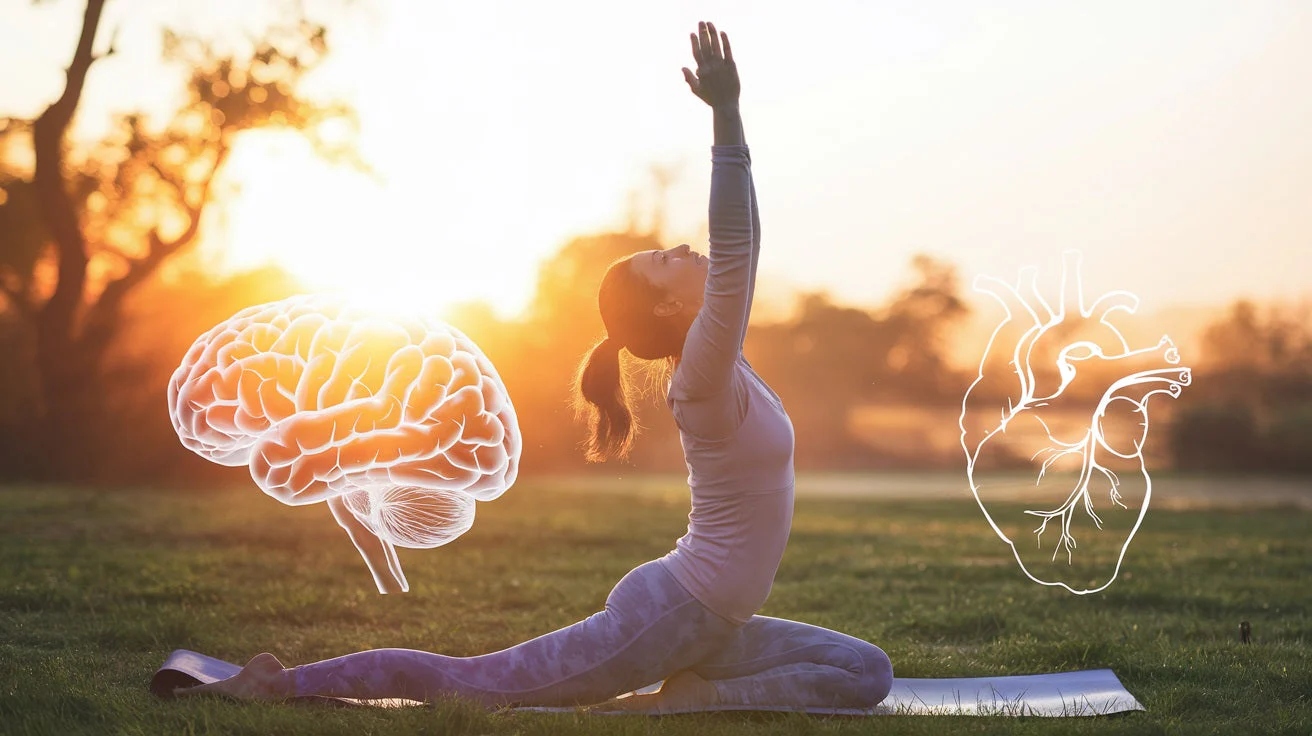
Modern life often involves long hours indoors, screen exposure, and limited contact with natural surroundings. As a result, many people are rediscovering the value of spending time outside. Whether it is a quiet walk in a park, time spent near water, or simply sitting in a garden, outdoor environments can offer meaningful benefits for both physical and mental well-being.
While nature is not a substitute for professional healthcare, research and everyday experience suggest that spending time in natural settings can play a supportive role in maintaining overall wellness.
The Unique Environment of Natural Spaces
Natural environments offer sensory experiences that differ greatly from indoor spaces. Fresh air, natural light, greenery, and open landscapes provide a setting that encourages relaxation and gentle movement.
These environments may help people step away from the constant stimulation of digital devices and busy schedules. Even short periods spent outside can create an opportunity to reset mentally and physically.
Many people report feeling calmer after spending time in natural surroundings, and this experience may encourage healthier daily routines over time.
Encouraging Gentle Physical Movement
Natural environments often encourage movement without requiring structured exercise. Walking through a park, exploring a trail, or strolling along a waterfront naturally involves physical activity.
This kind of movement can contribute to a more active lifestyle. Unlike highly structured workouts, outdoor movement can feel relaxed and enjoyable, which may make it easier to maintain consistently.
Activities such as walking, light hiking, or casual cycling help engage multiple muscle groups while supporting cardiovascular activity in a moderate and accessible way.
Natural Light and Daily Rhythms
Exposure to natural daylight plays an important role in maintaining the body’s internal rhythms. Sunlight helps regulate the body’s natural cycles that influence sleep and wake patterns.
Spending time outdoors during daylight hours may help support a healthy daily rhythm, especially when combined with regular sleep habits and balanced daily routines.
Natural light also contributes to a more stimulating and energizing environment compared to artificial indoor lighting.
Supporting Mental Relaxation
Natural settings often promote a sense of calm that is difficult to recreate indoors. The sounds of wind, water, or birds, combined with open space and greenery, can help create a peaceful atmosphere.
For many people, outdoor environments provide a break from the noise and complexity of urban life. This quiet time can help individuals clear their minds and focus on the present moment.
Activities such as walking, sitting quietly outdoors, or practicing simple breathing exercises in nature can encourage mental relaxation and reflection.
Opportunities for Social Interaction
Outdoor spaces often serve as gathering places for communities. Parks, trails, and outdoor recreation areas give people opportunities to meet friends, spend time with family, or engage in shared activities.
Social interaction plays an important role in emotional well-being. Spending time outside with others may help strengthen relationships and create positive shared experiences.
Even simple activities like picnics, outdoor games, or community events can foster a sense of connection.
Encouraging Consistent Healthy Habits
One of the greatest advantages of outdoor activities is that they are often enjoyable. When people enjoy an activity, they are more likely to continue doing it regularly.
Regular outdoor time can become part of a balanced lifestyle that includes physical activity, rest, and time for relaxation.
By making outdoor experiences a consistent habit, individuals may find it easier to maintain a routine that supports long-term well-being.
Practical Ways to Spend More Time Outdoors
Incorporating outdoor time into daily life does not require major lifestyle changes. Small adjustments can make a meaningful difference.
Examples include:
- Taking short walks during breaks
- Visiting local parks or nature trails
- Spending time outdoors on weekends
- Choosing outdoor activities with friends or family
- Practicing relaxation or mindfulness outside
Even brief periods of outdoor exposure can help people reconnect with natural surroundings.
A Balanced Perspective
Outdoor activities and time in nature can be valuable elements of a healthy lifestyle. They provide opportunities for movement, relaxation, and social connection.
However, they should be viewed as part of a broader approach to well-being that includes balanced nutrition, adequate rest, and guidance from qualified professionals when needed.
By appreciating the natural environments around them, individuals may discover simple and enjoyable ways to support both their physical and mental wellness.