
Maintaining an active lifestyle is an important component of overall health and well-being. While gyms and indoor workouts are popular options, outdoor activities offer a flexible and enjoyable alternative for people of all ages.
Engaging in physical activity outside provides an opportunity to combine movement with fresh air and changing scenery. These elements can make exercise feel less repetitive and more engaging, encouraging people to stay active on a regular basis.
Outdoor activities do not need to be intense or complicated. In fact, many simple forms of movement can contribute to a balanced and healthy routine.
Walking as an Accessible Outdoor Activity
Walking is one of the most accessible forms of physical activity. It requires minimal equipment and can be done almost anywhere, including parks, sidewalks, nature trails, or open recreational areas.
Walking outdoors allows individuals to adjust their pace and distance according to their comfort level. It also provides an opportunity to observe the surroundings and enjoy natural environments.
Regular walking may support general physical fitness while also encouraging people to spend more time outside.
Cycling for Recreational Movement
Cycling is another popular outdoor activity that combines movement with exploration. Whether riding through city paths, countryside roads, or dedicated bike trails, cycling offers both physical engagement and an enjoyable experience.
This activity engages several major muscle groups and can be adapted for different fitness levels. Some people enjoy leisurely rides, while others prefer longer routes for recreational exercise.
Cycling can also serve as a practical mode of transportation, allowing people to incorporate activity into daily routines.
Hiking and Nature Trails
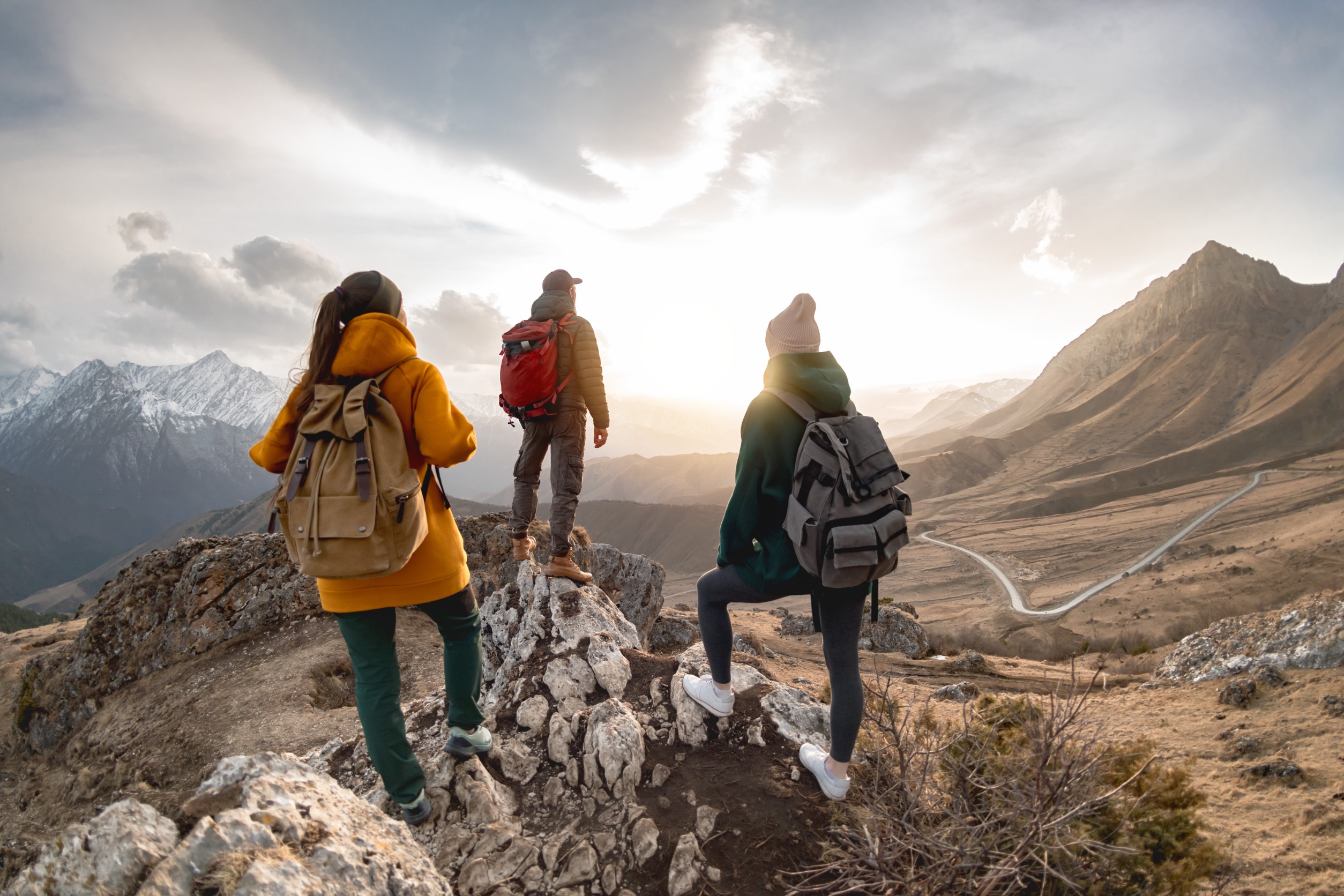
Hiking offers a slightly more adventurous outdoor activity that encourages exploration of natural landscapes. Trails through forests, hills, and parks provide opportunities to experience nature while remaining physically active.
Hiking can be adapted to different levels of difficulty. Some trails are short and gentle, while others involve more challenging terrain.
Regardless of the difficulty level, hiking allows individuals to move at their own pace while enjoying scenic surroundings.
Outdoor Recreation and Group Activities
Many people enjoy outdoor activities that involve social interaction. Recreational sports such as casual football, frisbee, or group fitness activities in parks can combine movement with social engagement.
Group activities can create a motivating environment that encourages regular participation. Exercising with others often adds an element of enjoyment and shared accomplishment.
Community parks and recreational spaces frequently offer opportunities for these types of activities.
The Role of Fresh Air and Open Space
Outdoor environments often provide a refreshing change from indoor spaces. Fresh air and open landscapes can create a more stimulating environment for movement.
The natural variety found outdoors—such as changing scenery and different terrain—can help prevent physical activity from feeling repetitive.
This variety may encourage individuals to stay engaged with their routines over longer periods of time.
Making Outdoor Activity Part of Daily Life
Incorporating outdoor movement into everyday life does not require strict exercise schedules. Instead, it can involve small, consistent choices.
Examples include:
- Walking to nearby destinations
- Choosing outdoor breaks during the day
- Visiting parks after work or school
- Planning weekend outdoor activities
- Exploring local walking or cycling paths
These simple habits can gradually contribute to a more active lifestyle.
Building Sustainable Activity Habits
The key to maintaining physical activity is consistency. Outdoor activities often feel less structured than traditional workouts, which may make them easier to maintain over time.
When people enjoy the activity itself, they are more likely to continue participating regularly. Outdoor movement provides opportunities for enjoyment, exploration, and relaxation at the same time.
By finding activities that feel comfortable and enjoyable, individuals can create routines that support long-term wellness.