
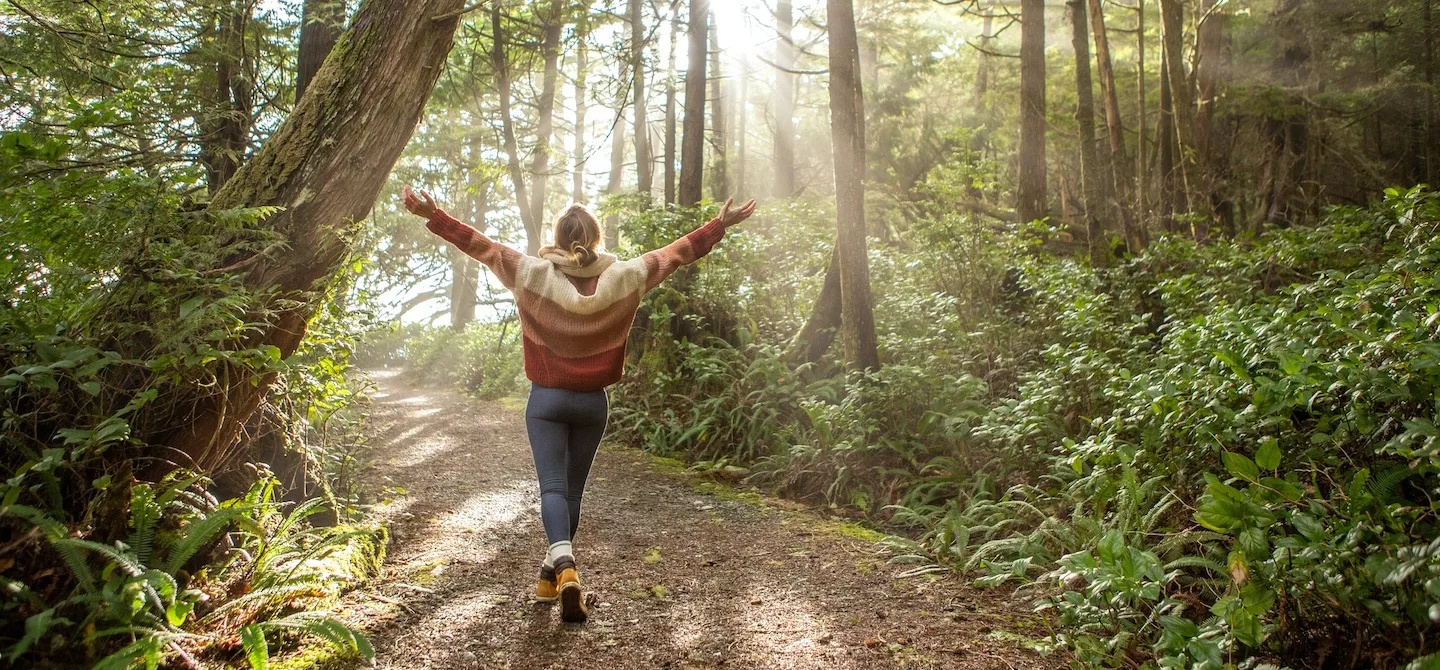
In a world filled with constant information, busy schedules, and digital distractions, many people are looking for ways to support mental balance. One approach that has gained attention is spending time outdoors.
Natural environments provide a setting that differs greatly from the structured and often fast-paced nature of modern indoor life. Whether it is a quiet park, a forest trail, or an open green space, outdoor environments can offer opportunities for reflection, relaxation, and mental renewal.
A Break From Constant Stimulation
Many daily environments involve continuous stimulation from screens, notifications, and background noise. Over time, this constant input may contribute to mental fatigue.
Outdoor environments often provide a more balanced sensory experience. Natural sounds, open views, and slower-paced surroundings can allow the mind to rest from continuous digital input.
Taking a short walk outside or sitting quietly in nature may help create a sense of mental space.
Encouraging Mindful Awareness
Outdoor settings naturally encourage people to notice their surroundings. The movement of leaves, the sound of water, or the feeling of fresh air can draw attention to the present moment.
This type of awareness is often associated with mindfulness practices, which focus on observing experiences without distraction.
Activities such as walking slowly through a park or simply observing nature may help individuals reconnect with the present moment.
Supporting Emotional Balance
Many people find that spending time outside helps them feel calmer and more balanced. While experiences vary between individuals, outdoor environments can provide a space for reflection and emotional processing.
Quiet time outdoors can offer an opportunity to step away from daily concerns and focus on personal well-being.
Activities such as reading outside, journaling in a park, or taking a peaceful walk can create time for mental rest.
Outdoor Environments and Creativity
Natural environments may also encourage creative thinking. The openness and variety found outdoors can help stimulate imagination and new perspectives.
Many people find that stepping away from their usual workspaces allows them to think more clearly and approach problems with fresh ideas.
Artists, writers, and professionals across many fields often seek outdoor environments for inspiration.
Combining Movement and Mental Relaxation
Outdoor activities often combine gentle physical movement with mental relaxation. Walking, light stretching, or exploring a trail can engage the body while giving the mind space to unwind.
This combination of movement and natural surroundings may contribute to a balanced and refreshing experience.
Even a short outdoor break during a busy day can provide a helpful reset.
Making Outdoor Time a Regular Habit
Building the habit of spending time outside does not require major changes. Small steps can make outdoor experiences part of daily life.
Examples include:
- Taking short walks during breaks
- Spending time in local parks
- Choosing outdoor activities on weekends
- Sitting outside for reading or relaxation
- Visiting natural spaces when possible
Over time, these habits can become a consistent part of a balanced lifestyle.
A Supportive Part of Overall Well-Being
Outdoor activities are not a replacement for professional mental health care, but they can be a supportive element of a healthy lifestyle.
By providing opportunities for relaxation, movement, and reflection, outdoor environments offer a simple way to reconnect with both body and mind.
Making time for nature—even in small amounts—can help individuals maintain a sense of balance in their daily lives.